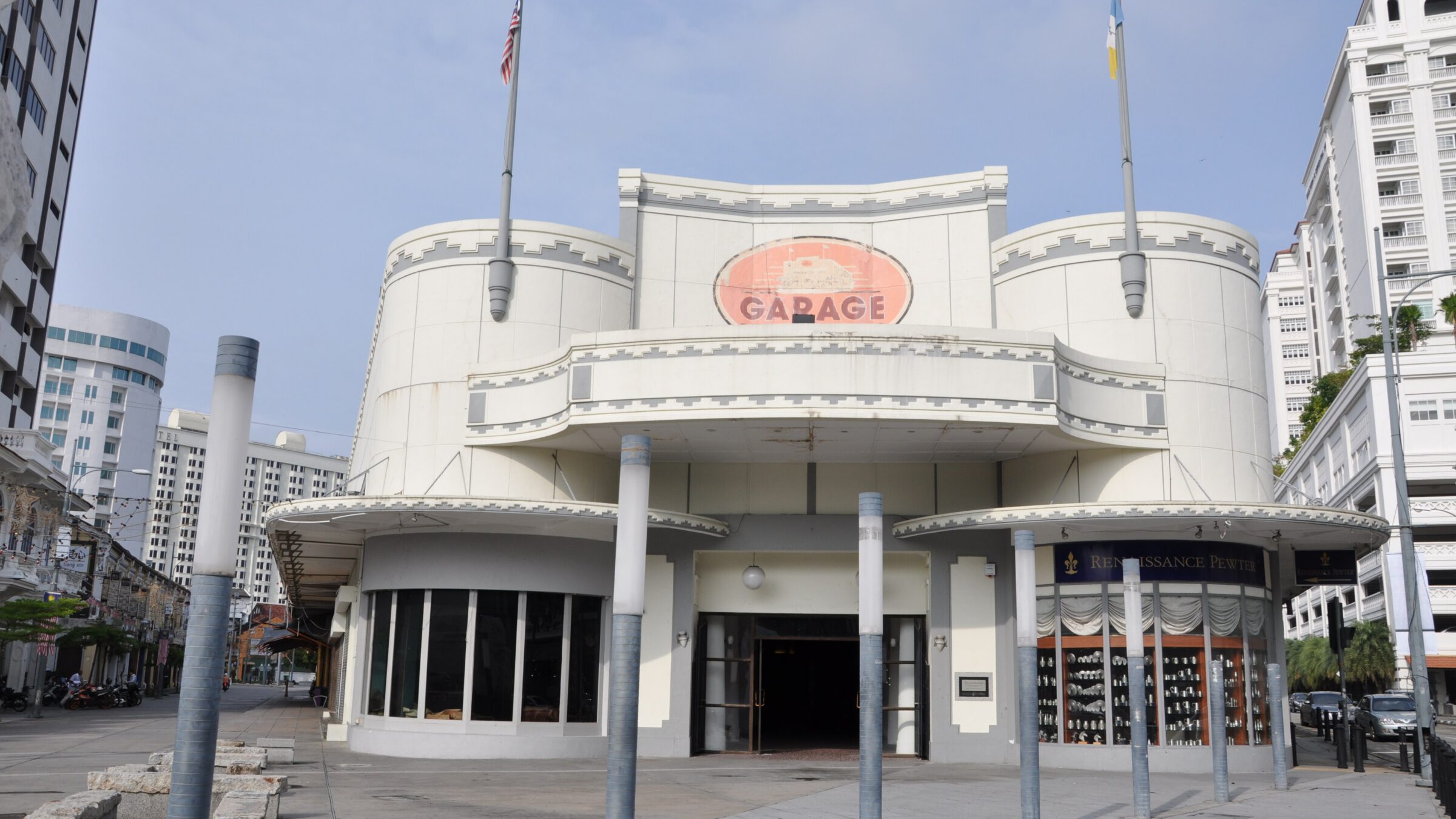
Penang was the first piece of Southeast Asia that Britain formally acquired, and the acquisition was conducted in the way that a significant portion of the British Empire was assembled: through a combination of commercial calculation, diplomatic pressure, and a local ruler’s willingness to exchange sovereignty for protection from a more immediate threat. Francis Light, a country trader working for the British East India Company, negotiated with the Sultan of Kedah in 1786 for the cession of the island of Penang, and the deal was concluded on the fifth of August that year when Light landed at the northern tip of the island and named it Prince of Wales Island, after the prince who would later become George IV. The Sultan wanted British military support against Siam and Burma. The British wanted a deep-water port to service the trade route between India and China. The Sultan did not get the military support. The British kept the port.
What grew on Penang over the subsequent decades was one of the most ethnically complex settlements in the region, a consequence of the colonial administration’s policy of encouraging Chinese, Indian, and Arab merchants to settle around the commercial district that became George Town. By the mid-nineteenth century the island contained communities from Fujian and Guangdong provinces of China, Tamil and Malayalee labourers from South India, Acehnese and Javanese traders from the Indonesian archipelago, and the Malay population that predated all of them, alongside a British administrative class that governed at the top of an arrangement nobody had designed and which produced, accidentally, a culture that was genuinely distinct from any of its constituent parts. The Peranakan Chinese, descendants of early Chinese settlers who had adopted Malay customs and language while retaining Chinese religious practices, built a specific architectural and culinary tradition that is now among Penang’s primary tourist attractions. George Town received UNESCO World Heritage status in 2008 for exactly this layered colonial culture, which is either a satisfying recognition of something that emerged from difficult circumstances or an irony worth noticing, depending on your relationship with heritage designations applied to the consequences of empire.
What grew on Penang over the subsequent decades was one of the most ethnically complex settlements in the region, a consequence of the colonial administration's...


Share