Penang: George Town, Mopeds, and the Ongoing Question of Eric’s Whereabouts

Southeast Asia

Penang: George Town, Mopeds, and the Ongoing Question of Eric’s Whereabouts

I discovered that a moped tour of Penang's layered colonial culture reveals far more than any guidebook, even if my travelling companions and I couldn't always find each other on the road.

5 min read

📍 Penang, Malaysia

Share

Copied!
Tweet WhatsApp

“The Peranakan Chinese, descendants of early Chinese settlers who had adopted Malay customs and language while retaining Chinese religious practices, built a specific architectural and culinary tradition that is now among Penang's primary tourist attractions.”

Penang was the first piece of Southeast Asia that Britain formally acquired, and the acquisition was conducted in the way that a significant portion of the British Empire was assembled: through a combination of commercial calculation, diplomatic pressure, and a local ruler’s willingness to exchange sovereignty for protection from a more immediate threat. Francis Light, a country trader working for the British East India Company, negotiated with the Sultan of Kedah in 1786 for the cession of the island of Penang, and the deal was concluded on the fifth of August that year when Light landed at the northern tip of the island and named it Prince of Wales Island, after the prince who would later become George IV. The Sultan wanted British military support against Siam and Burma. The British wanted a deep-water port to service the trade route between India and China. The Sultan did not get the military support. The British kept the port.

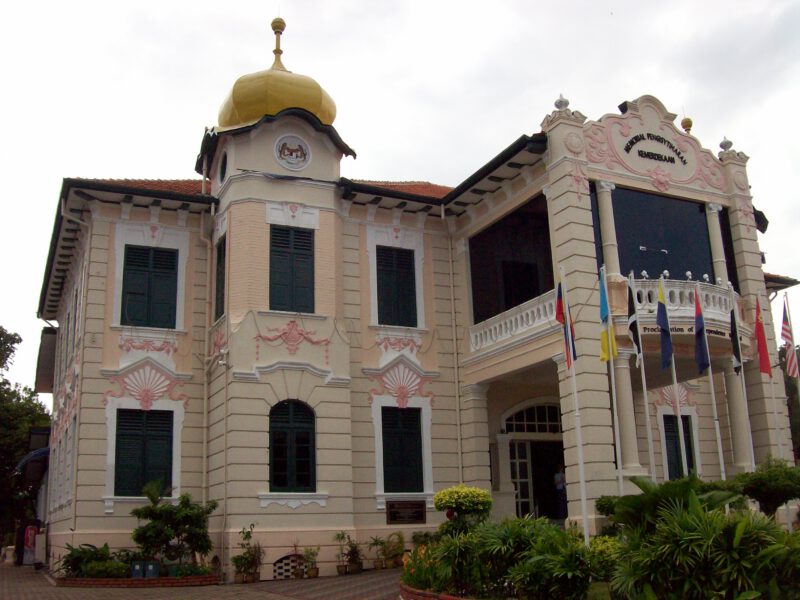
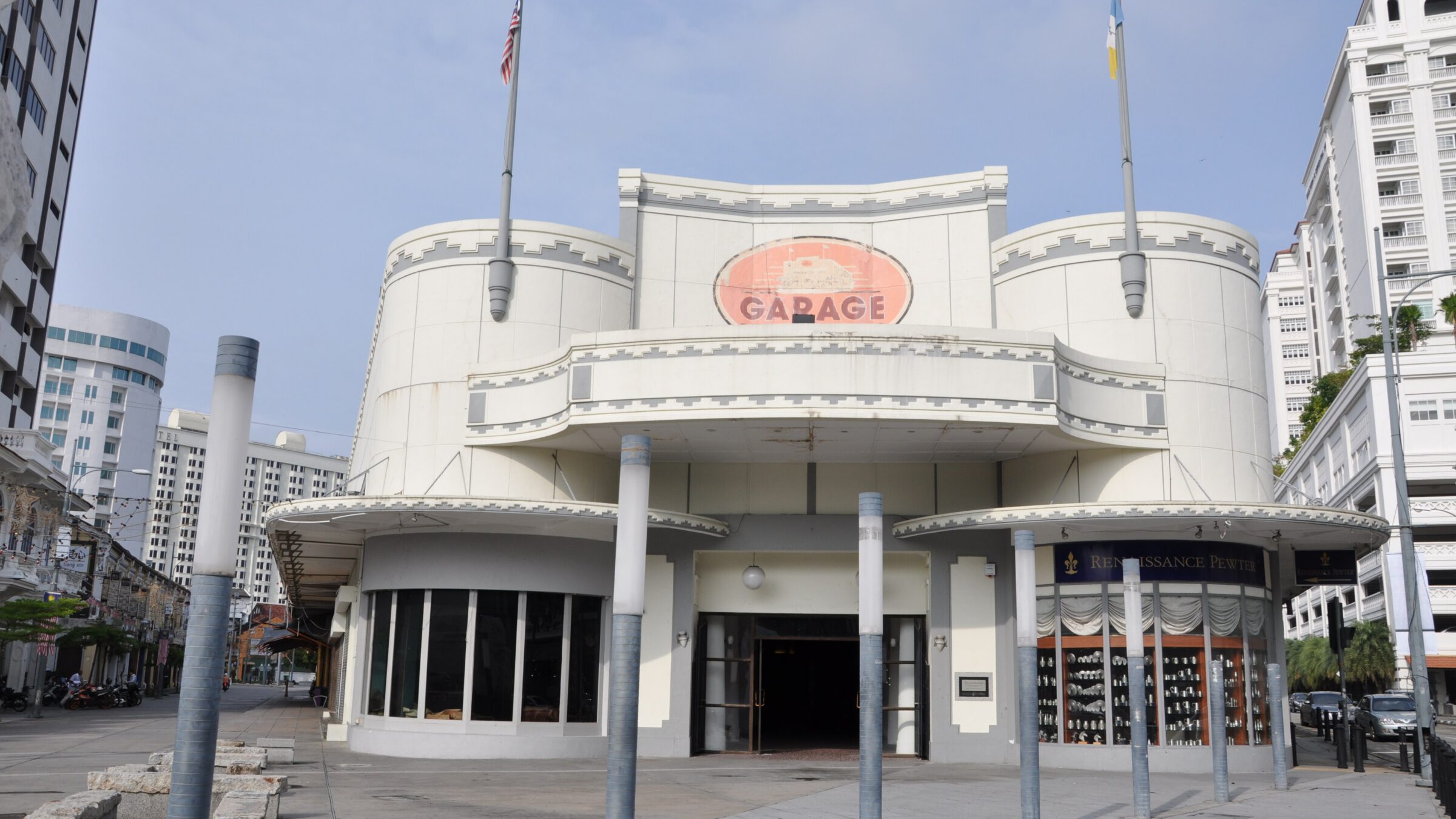
What grew on Penang over the subsequent decades was one of the most ethnically complex settlements in the region, a consequence of the colonial administration’s policy of encouraging Chinese, Indian, and Arab merchants to settle around the commercial district that became George Town. By the mid-nineteenth century the island contained communities from Fujian and Guangdong provinces of China, Tamil and Malayalee labourers from South India, Acehnese and Javanese traders from the Indonesian archipelago, and the Malay population that predated all of them, alongside a British administrative class that governed at the top of an arrangement nobody had designed and which produced, accidentally, a culture that was genuinely distinct from any of its constituent parts. The Peranakan Chinese, descendants of early Chinese settlers who had adopted Malay customs and language while retaining Chinese religious practices, built a specific architectural and culinary tradition that is now among Penang’s primary tourist attractions. George Town received UNESCO World Heritage status in 2008 for exactly this layered colonial culture, which is either a satisfying recognition of something that emerged from difficult circumstances or an irony worth noticing, depending on your relationship with heritage designations applied to the consequences of empire.

What grew on Penang over the subsequent decades was one of the most ethnically complex settlements in the region, a consequence of the colonial administration's...

Penang, Malaysia

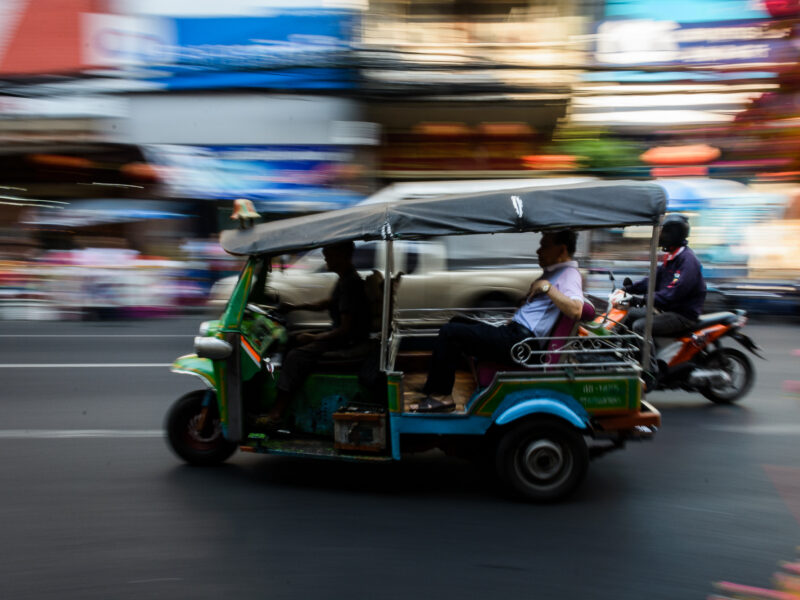
We hired mopeds and spent a day circumnavigating the island, which is both the best and most revealing way to move through a place where the geography includes dense urban coastline, highland interior, fishing villages on the southern tip, and the kind of road that exists between established destinations and which guidebooks tend to describe as scenic because they have no other word for it and which turns out to be the most interesting part of the journey.

Eric, the eighteen-year-old Vietnamese-American medical school aspirant whose whereabouts had become the group’s defining collective concern since Bangkok, was assigned to the middle of our convoy. This was a precautionary arrangement. He rode a moped in a style that suggested physical confidence and a somewhat abstract relationship with the lane markings, and he had mentioned a moped accident some weeks prior in a way that he clearly intended to be reassuring and which had not, in fact, reassured anyone. He disappeared approximately forty minutes into the island tour, at a point where the road divided near some roadworks, and could not be found for the subsequent hour and a half. We searched the likely wrong turns. We waited at the fishing village that was the stated destination. He was at none of these places. He eventually appeared at the mall we had retreated to for food, having somehow navigated his own version of the route, entirely untroubled, wondering what the fuss was about.

He disappeared approximately forty minutes into the island tour, at a point where the road divided
near some roadworks, and could not be found for the subsequent hour and a half.

The fruit farm was Naomi’s idea. Naomi was Australian, excellent company, and had a specific enthusiasm for fruit farms that the rest of the group met with patience and then, as the tour progressed, with diminishing patience. The farm was comprehensive in its coverage of Malaysian tropical fruit. It was not particularly interesting in any other respect. Naomi, to her credit, was also the first to conclude that it was not particularly interesting, which she did about twenty minutes before the tour allowed us to leave.

The karaoke bar was Jen’s idea, at eleven at night, after a day of considerable activity and several hours of excellent beer by the waterfront. The argument for going was that we would probably never be in this specific bar again, which is true of almost every bar you visit while travelling and which, as a justification for doing things, contains a logic that is difficult to refute without also undermining most of what travel is for. We went. The bar was local and not designed for tourists. The reception was warm in the way that local bars in Malaysia tend to be warm when strangers appear, which is to say genuinely rather than commercially. We sang things. I cannot account for all of them. The hangover in the morning was proportionate.

Naomi, to her credit, was also the first to conclude that it was not particularly interesting, which she did about twenty minutes before the tour allowed us to leave.

Penang, Malaysia

What grew on Penang over the subsequent decades was one of the most ethnically complex settlements in the region, a consequence of the colonial administration's...

Penang is worth more time than the Bangkok to Bali itinerary allowed. George Town’s heritage district, the clan jetties where Chinese fishing communities built houses on stilts extending into the harbour and which have been continuously inhabited for over a century, the hawker centres where the food represents the full range of what the island’s mixed cultural history produced in the kitchen: all of these deserve the kind of attention that a single day of moped-based exploration doesn’t fully provide. I will go back. Probably not on a moped.

Trip Guide

Penang, Malaysia

2-3 days

☀️

Best time to visit

November to March offers the most pleasant weather with lower humidity and minimal rainfall. Avoid the monsoon seasons from May to September when the island experiences heavy rain.

✈️

Getting there

Penang International Airport (PEN) receives flights from major Southeast Asian hubs and some international carriers. You can also reach Penang by bus or train from other parts of Malaysia, with regular connections from Kuala Lumpur taking 4-5 hours.

🏨

Where to stay

George Town's heritage district offers boutique hotels and guesthouses within walking distance of attractions, though be prepared for narrow streets and limited parking. Beach resorts are available along the northern coast if you prefer a more relaxed setting.

💰

Daily budget

Daily costs range from £25-60 depending on accommodation choices and dining preferences.

Flights £400-700
Stay £15-40
Food £5-15
Activities £3-10
Transport £2-8
Estimated daily total £25-73

Good to know

  • Hire a moped or motorcycle for exploring the island, but ride cautiously and wear a helmet — the roads between destinations can be narrow and winding
  • Visit hawker centres early in the morning for the best selection of traditional Malaysian dishes at budget prices
  • Explore the clan jetties on foot to appreciate the centuries-old architecture and fishing community culture
  • Book accommodation in George Town to be within walking distance of UNESCO heritage sites, markets, and restaurants
  • Learn basic Malay phrases — locals appreciate the effort and it enhances the experience significantly

Penang is exceptionally affordable for food and local transport, with hawker meals costing under £2. Accommodation and activities offer good value across all budget levels.

Estimates based on research at time of writing. Check current rates before booking.