The airport is named for Lester Pearson, Canada’s fourteenth prime minister and Nobel Peace Prize laureate, who received the prize in 1957 for proposing the United Nations Emergency Force that resolved the Suez Crisis without the war between Britain, France, and Egypt escalating into something larger. The prize was controversial at the time: some Canadians felt that Pearson had undermined Britain’s position by working against the Anglo-French operation, and the Conservative opposition leader John Diefenbaker made this argument with some heat. The Nobel committee’s view was that preventing a war was worth the diplomatic discomfort. Pearson went on to introduce the Canada Pension Plan, universal healthcare, and the current Canadian flag, which he designed in the face of considerable resistance from veterans who wanted to retain the Red Ensign. The airport named after him is large, efficient, and considerably better than several others I’ve passed through on this trip, which seems like a reasonable legacy.
Toronto has not been written about enough relative to its actual quality as a city, which is partly because it sits next to New York in the English-speaking travel imagination and suffers by that proximity in the way that all cities suffer when they are compared to the most-discussed city in their cultural orbit. What Toronto actually is, and what becomes apparent within a day of moving through it, is one of the most genuinely multicultural cities in the world in the sense that matters most, which is not demographic statistics but the actual integration of those demographics into a city that functions as itself rather than as a collection of parallel communities. Over half of Toronto’s population was born outside Canada. The neighbourhoods reflect this without requiring you to read about it: Kensington Market, the Junction, Chinatown, Little Italy, the Distillery District, all within walking distance of each other in a compact central area, each with a distinct character and all operating within the same tolerably cold city.
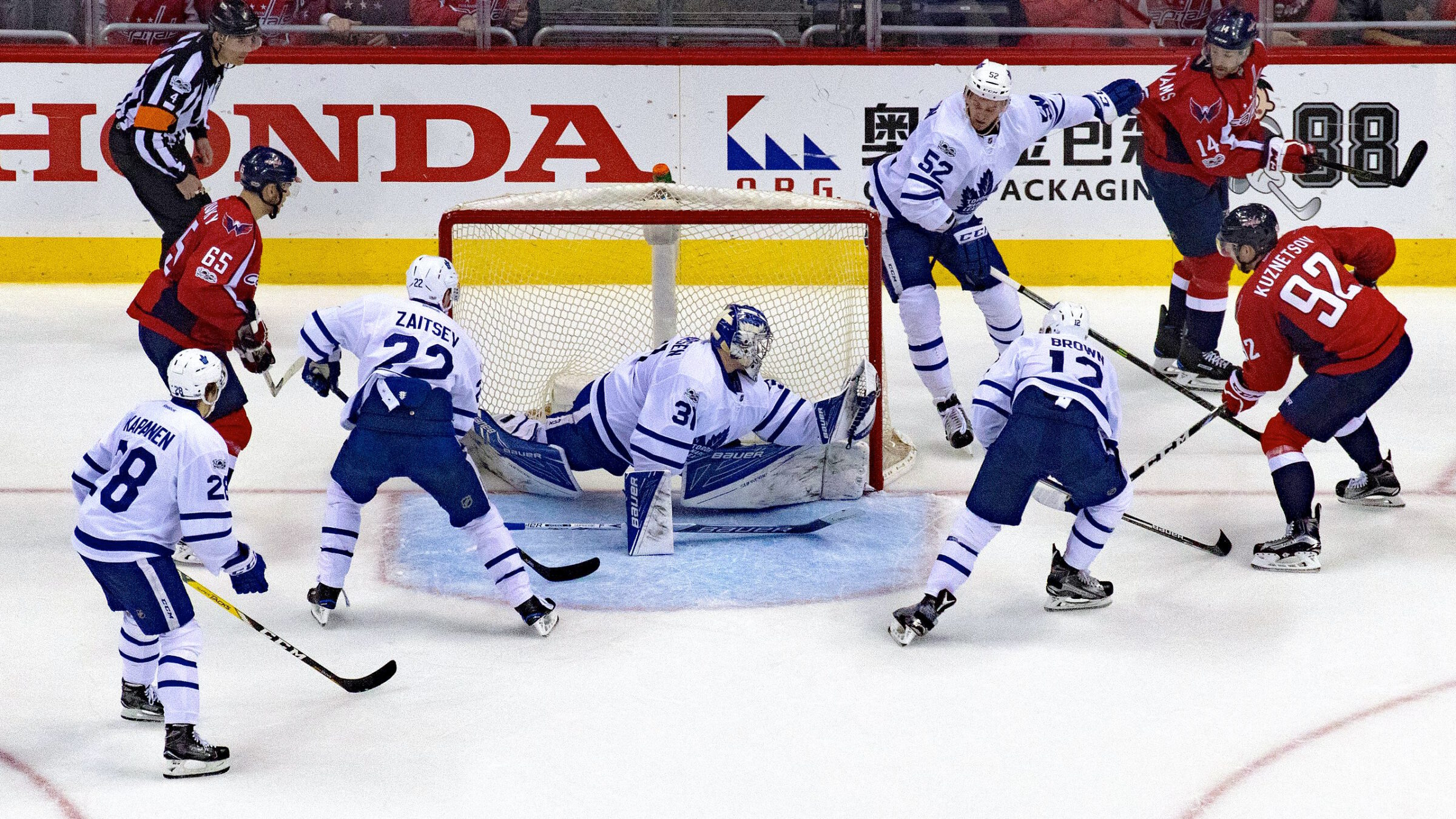
Ice hockey was developed in Montreal in 1875, the rules codified by James Creighton at McGill University, though the game itself had been played in...


Share