Toronto: Ice Hockey, Maple Leafs, and Why Cold Air Is Better Than You Remember

City Break

Toronto: Ice Hockey, Maple Leafs, and Why Cold Air Is Better Than You Remember

I walked out of Pearson Airport into one-degree air and discovered a city that matters to people in ways that went far beyond what I had read.

5 min read

📍 Toronto, Canada

Share

Copied!
Tweet WhatsApp

“I had come from Singapore, where the temperature maintains a consistent thirty degrees plus year-round, and Toronto in May sits at temperatures that are objectively mild but that my body had recalibrated entirely away from.”

The airport is named for Lester Pearson, Canada’s fourteenth prime minister and Nobel Peace Prize laureate, who received the prize in 1957 for proposing the United Nations Emergency Force that resolved the Suez Crisis without the war between Britain, France, and Egypt escalating into something larger. The prize was controversial at the time: some Canadians felt that Pearson had undermined Britain’s position by working against the Anglo-French operation, and the Conservative opposition leader John Diefenbaker made this argument with some heat. The Nobel committee’s view was that preventing a war was worth the diplomatic discomfort. Pearson went on to introduce the Canada Pension Plan, universal healthcare, and the current Canadian flag, which he designed in the face of considerable resistance from veterans who wanted to retain the Red Ensign. The airport named after him is large, efficient, and considerably better than several others I’ve passed through on this trip, which seems like a reasonable legacy.

Toronto has not been written about enough relative to its actual quality as a city, which is partly because it sits next to New York in the English-speaking travel imagination and suffers by that proximity in the way that all cities suffer when they are compared to the most-discussed city in their cultural orbit. What Toronto actually is, and what becomes apparent within a day of moving through it, is one of the most genuinely multicultural cities in the world in the sense that matters most, which is not demographic statistics but the actual integration of those demographics into a city that functions as itself rather than as a collection of parallel communities. Over half of Toronto’s population was born outside Canada. The neighbourhoods reflect this without requiring you to read about it: Kensington Market, the Junction, Chinatown, Little Italy, the Distillery District, all within walking distance of each other in a compact central area, each with a distinct character and all operating within the same tolerably cold city.

1875,

Ice hockey was developed in Montreal in 1875, the rules codified by James Creighton at McGill University, though the game itself had been played in...

Toronto, Canada

The cold was the first thing. I had come from Singapore, where the temperature maintains a consistent thirty degrees plus year-round, and Toronto in May sits at temperatures that are objectively mild but that my body had recalibrated entirely away from. Walking out of Pearson into one-degree air produced a genuine physical surprise, the specific pleasure of cold air that you have forgotten you enjoy until you are standing in it again. I was wearing a light jacket. I needed considerably more than that.

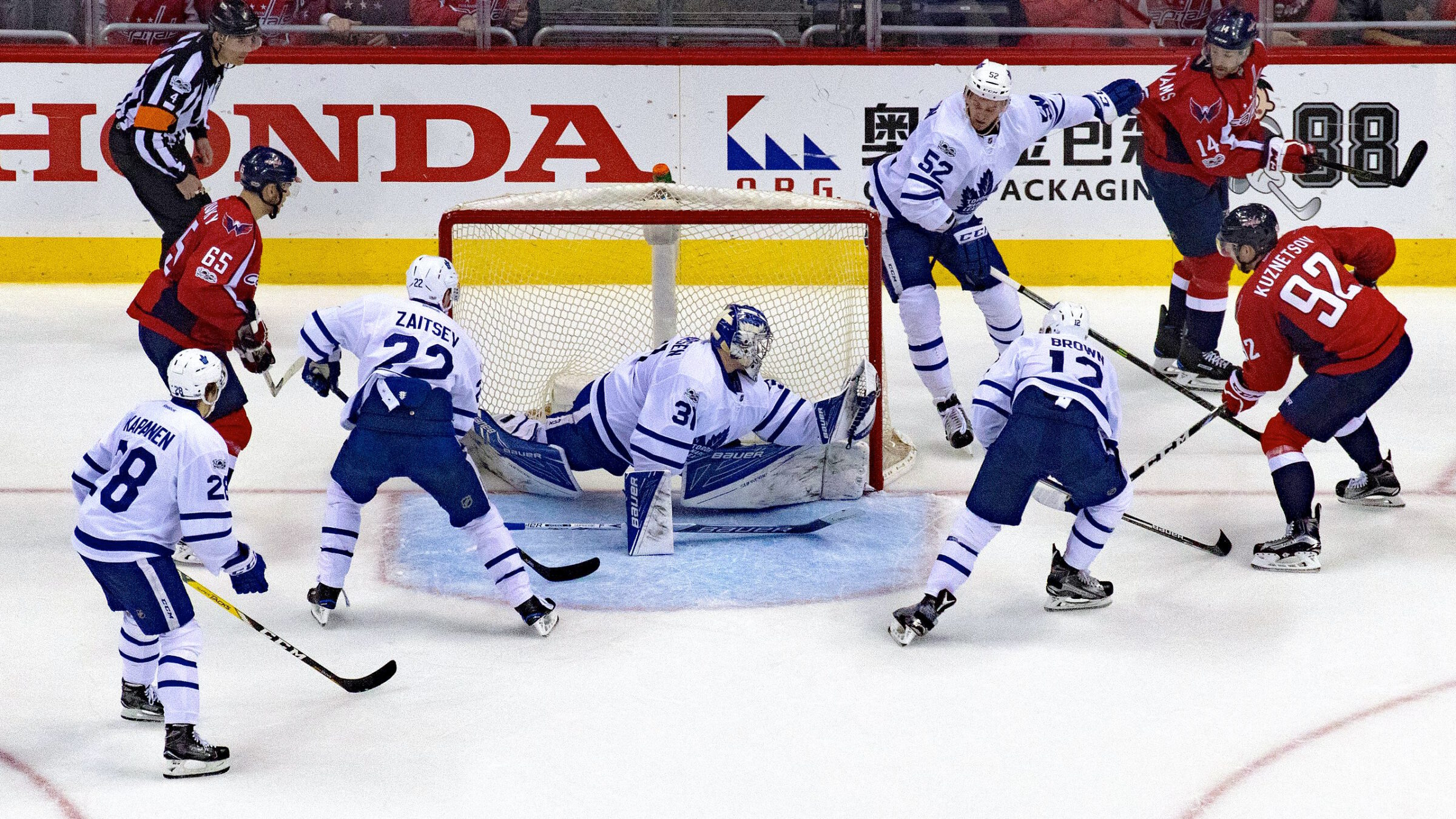
Ice hockey was developed in Montreal in 1875, the rules codified by James Creighton at McGill University, though the game itself had been played in various forms on frozen ponds and rivers across Canada and the northern United States for considerably longer. Its integration into Canadian identity is not a metaphor or a marketing formulation but a genuine cultural fact: the game is embedded in the country’s sense of itself in the way that cricket is embedded in England’s or football in Brazil’s, which is to say not uniformly or without complication but deeply enough that an international visitor going to their first game feels immediately that they are in the presence of something that matters to people in the specific way that sport matters when it is carrying something beyond itself.

The battery, calibrated to Singapore's ambient temperature, could not maintain charge in one-degree air, which
is a design limitation that I was not aware of until it was practically inconvenient.

My phone died in the cold queue outside the Air Canada Centre. The battery, calibrated to Singapore’s ambient temperature, could not maintain charge in one-degree air, which is a design limitation that I was not aware of until it was practically inconvenient. The ticket for the Maple Leafs game against the Buffalo Sabres was on the dead phone. The woman checking tickets spent ten minutes helping me retrieve it, offered her own phone to access the Ticketmaster account, and eventually managed to scan it in the moment the device flickered back to life. She was extremely patient. She was also Canadian, which in my experience explains the patience.

The two men who sat beside me in the upper tier were kind enough to explain the rules as the game progressed. What I had not anticipated was how much I would enjoy ice hockey. The pace is faster than football, the transitions between attack and defence more abrupt, the skill of skating at speed while controlling a puck under defensive pressure visible in the way that technical skill in team sport is only visible when you understand what the skill is actually managing. By the third period I was invested in the outcome in the way that sport produces investment when you know enough to follow what is happening. The Maple Leafs won. The walk back to the hostel through the city grid, navigationally assisted by the logic of a city laid out on a simple axis system, gave me time to appreciate that Toronto was going to be a good week. It was.

1875,

Ice hockey was developed in Montreal in 1875, the rules codified by James Creighton at McGill University, though the game itself had been played in...

Trip Guide

Toronto, Canada

5-7 days

☀️

Best time to visit

May offers mild weather and is ideal for experiencing Toronto's outdoor neighbourhoods and ice hockey season. Late spring provides comfortable temperatures for walking the city without extreme cold.

✈️

Getting there

Fly into Toronto Pearson International Airport from the UK, which typically takes 7-8 hours direct. From the airport, take the UP Express train to downtown Toronto (25 minutes) or a taxi for more convenience.

🏨

Where to stay

Stay in a central hostel or budget hotel in downtown Toronto for easy access to neighbourhoods like Kensington Market and the Distillery District. The city's simple grid layout makes navigation straightforward from any central location.

💰

Daily budget

Budget approximately £60-100 per day including accommodation, food, transport, and activities.

Flights £400-600 return
Stay £30-60 per night
Food £15-30 per day
Activities £10-25 per day
Transport £5-10 per day
Estimated daily total £60-125

Good to know

  • Bring warm layers even in May—Toronto's spring temperatures are much colder than you might expect if arriving from warmer climates
  • Keep your phone charged in cold weather, as batteries drain faster in sub-zero temperatures
  • The city's grid-based street layout makes navigation intuitive without relying heavily on GPS
  • Attend a Toronto Maple Leafs ice hockey game to experience a genuine part of Canadian culture and identity
  • Explore the distinct neighbourhoods on foot—they are within walking distance of each other and each has unique character

Toronto is more affordable than major UK cities for food and accommodation. Flights from the UK are the largest expense; consider visiting in shoulder season for better rates.

Estimates based on research at time of writing. Check current rates before booking.