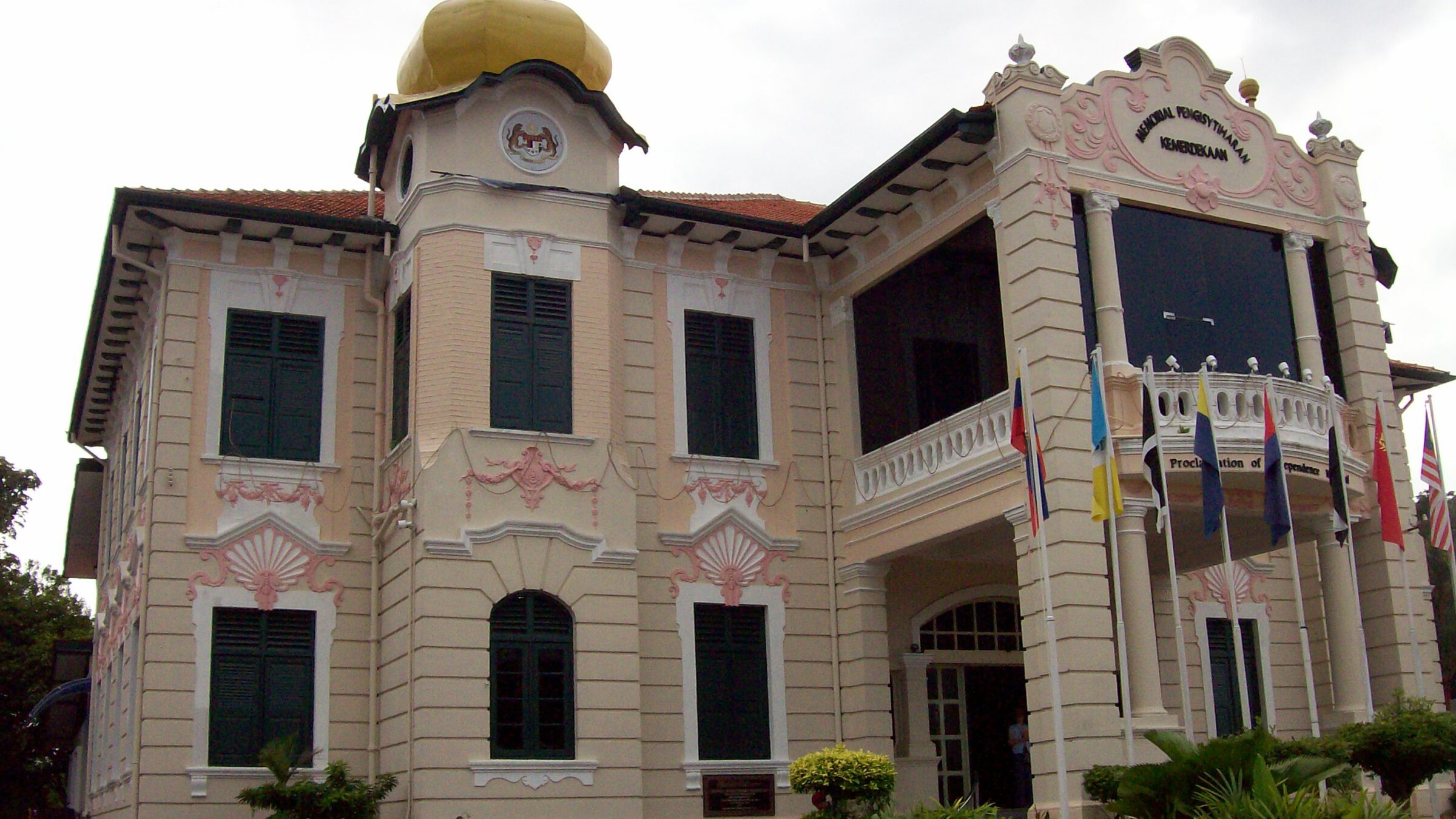
Melaka occupies a peculiar position in the history of European colonialism: it is where it started, in Southeast Asia at least, on the twenty-fourth of July 1511, when the Portuguese admiral Afonso de Albuquerque took the city from the Sultanate of Malacca with a fleet of ships and an army of around a thousand men, establishing the first European colonial possession in the region. The Portuguese wanted Melaka because Melaka controlled the strait, and controlling the strait meant controlling the most important shipping lane in the world at the time, the passage between the Malay peninsula and Sumatra through which the spice trade moved between the east and west. Nutmeg, mace, cloves, pepper: the flavours that Europe desperately wanted and for which it was willing to sail halfway around the world and take cities away from their rulers. The history of the spice trade is the history of a continent’s willingness to do almost anything to season its food.
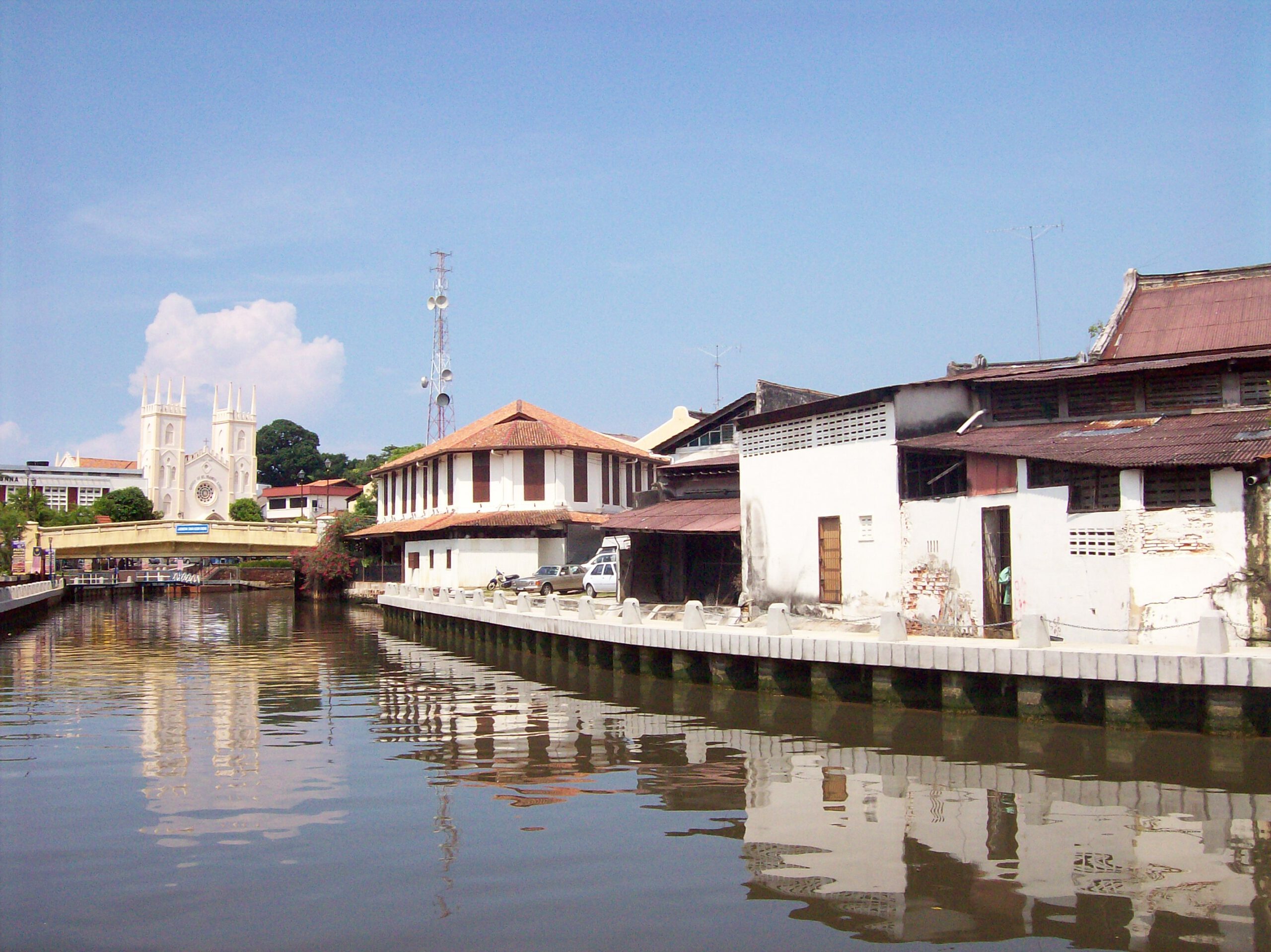
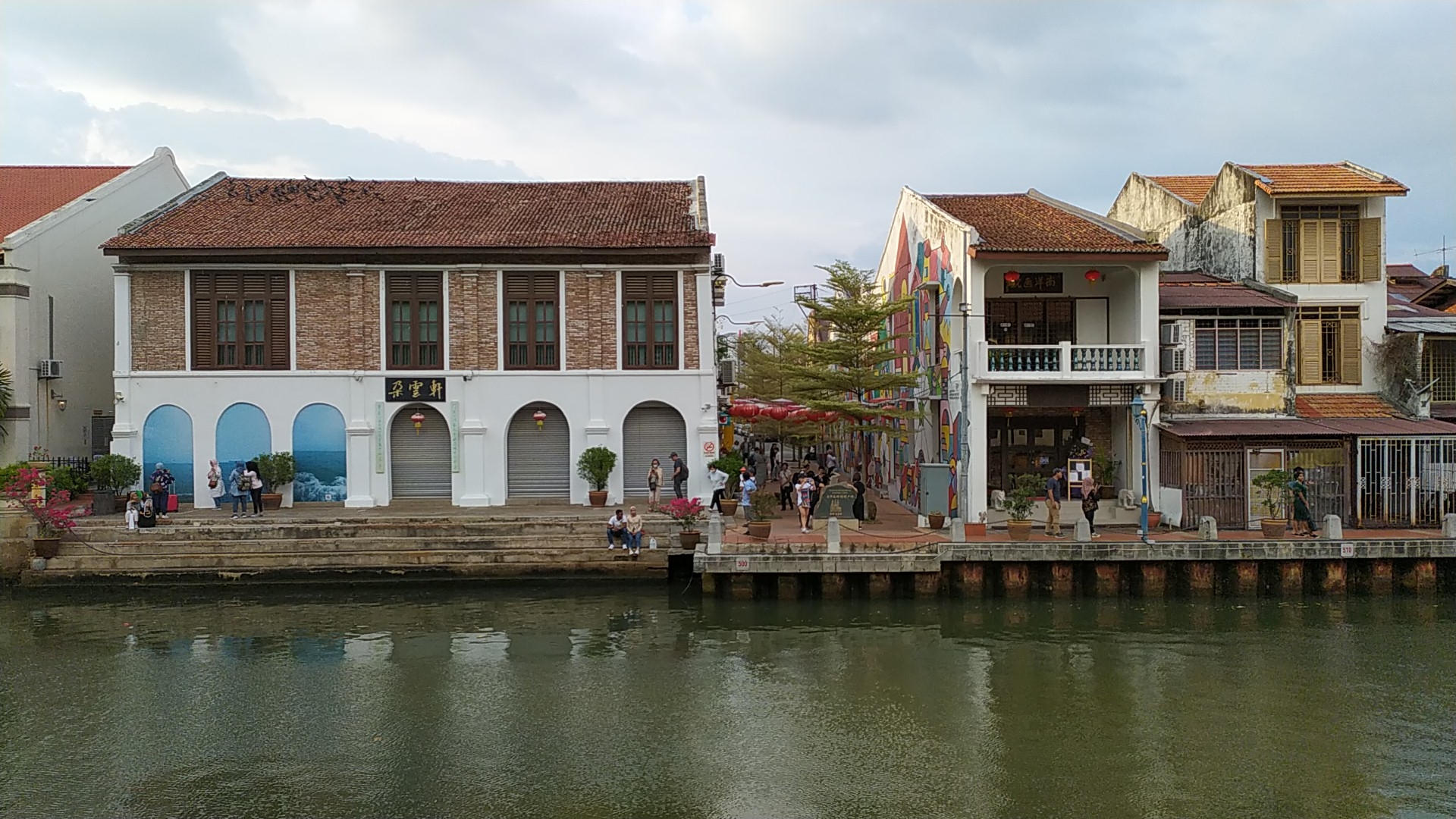
The Portuguese held Melaka for 130 years and built a fort called A Famosa, remnants of which are still standing at the edge of the old town. Then the Dutch arrived in 1641, allied with the Johor Sultanate, took the city in a siege that lasted several months, and held it for a century and a half. Then the British, as part of the 1824 Anglo-Dutch Treaty that divided Southeast Asia into spheres of influence, took Melaka in exchange for Bencoolen in Sumatra and incorporated it into the Straits Settlements alongside Penang and Singapore. Three European powers over three centuries, each leaving a different architectural register in the same small riverside town: Portuguese church ruins, Dutch colonial buildings in their particular shade of terracotta, British administrative offices in the neoclassical style that Whitehall exported to its tropical possessions. UNESCO designated the historic centre of Melaka a World Heritage site in 2008, alongside George Town in Penang, recognising this stratification of colonial history as something worth preserving, which it is, though the preservation tends to emphasise the aesthetics of the buildings rather than the purposes they served.
The Portuguese wanted Melaka because Melaka controlled the strait, and controlling the strait meant controlling the most important shipping lane in the world at the...

Share