The End of Asia, the Beginning of Something Else

Long-form Travel Essay

The End of Asia, the Beginning of Something Else

I landed in Australia after six months through Japan, Hong Kong, the Philippines, China, Tibet, Nepal, Vietnam, Cambodia, Thailand, Malaysia, Myanmar, and Bali — and arriving at this fixed point produced a feeling I didn't expect: disorientation.

4 min read

Share

Copied!
Tweet WhatsApp

“That poverty in the Philippines and poverty in the UK occupy the same word but describe realities that are not comparable.”

There is a moment in any long journey when the geography stops and the accounting begins. You are somewhere new, or somewhere that was supposed to be the end of a section, and you sit down and try to add up what the previous months have given you, which is harder than it sounds because the things that travel gives you are not the things you can put in a list.

I landed in Australia a month ago after six months that took in Japan, Hong Kong, the Philippines, China, Tibet, Nepal, Vietnam, Cambodia, Thailand, Malaysia, Myanmar, and Bali. Twenty-three flights, five overnight buses, three train journeys of more than twelve hours, one stretch of road in Myanmar that I would not classify as a road in any conventional sense. I am sorry it has taken this long to write. There were things that distracted me, which I will explain in subsequent posts, and there was also the particular difficulty of trying to write about an experience that is still happening, like trying to describe a painting you are standing inside.
The End of Asia, the Beginning of Something Else

Australia was the plan from the beginning, the place where the Asia leg ends and the working phase begins, where you earn enough to fund the South America section and adjust to something that is not a hostel bunk and a different city every week. I have a year’s working visa and a tax number and the address of someone who said I could sleep on their floor until I find my feet. Australia as a concept has been sitting at the end of the Asia itinerary for six months, a fixed point in a journey that has been defined by the absence of fixed points, and arriving at it produced a feeling I did not expect, which was something close to disorientation.

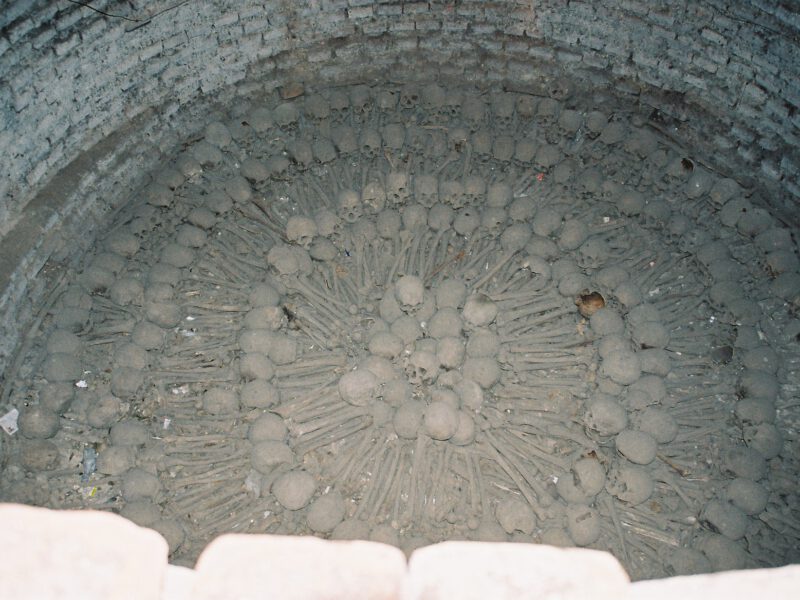
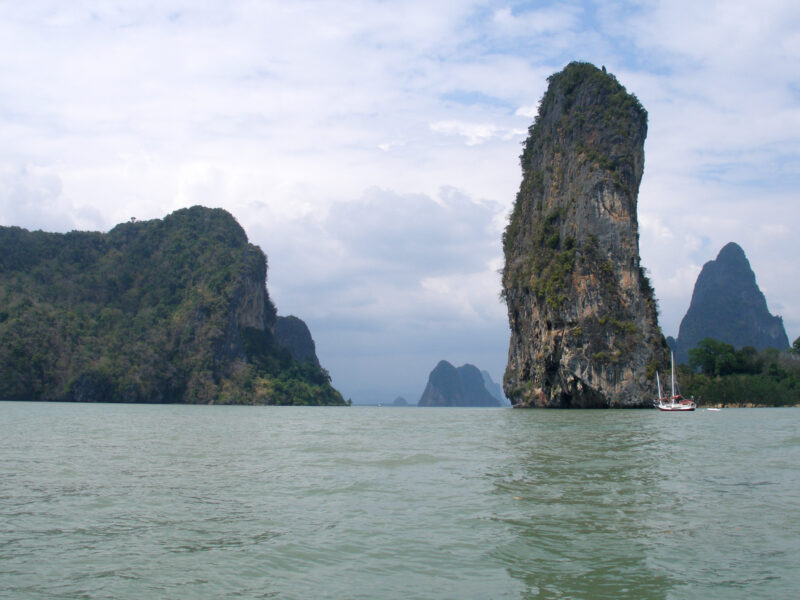
The Asia I have spent six months moving through is not, of course, a single thing. It is Japan’s particular quality of composed precision and Myanmar’s gold temples on a barely accessible plain and the Killing Fields of Cambodia and the 2004 tsunami guide in Phuket who told us his wife died while he was in a sea cave with a group of American tourists. It is Misa picking up Burmese words in an afternoon and Drujal on the Tibetan plateau explaining the political situation in careful language that acknowledged without stating too much. It is the boy selling cigarettes outside a bar in Manila at one in the morning who said people told him it would make him friends.

It is the boy selling cigarettes outside a bar in Manila at one
in the morning who said people told him it would make him friends.

What six months in Asia gives you, if you are paying attention, is a recalibration of what normal means. Not a romantic version of recalibration, not the travel memoir version where the traveller returns transformed and enlightened. More a practical one. The understanding that the systems and assumptions you grew up inside are specific to a particular place and time and are not universal laws, that other countries have found other ways of arranging things and some of those ways are better and some are worse and most are simply different. That poverty in the Philippines and poverty in the UK occupy the same word but describe realities that are not comparable. That the British tendency to assume that our problems are uniquely significant is not supported by evidence from the places where those same problems, in different forms, are simply the weather.

Over the next week I will write about the parts of the trip I have not yet covered: more of Thailand, Malaysia, Indonesia, and Bali. Then we are in Australia, which is its own kind of story. Thank you for still reading. I will try to make it worth your time.

Trip Guide

Asia (Multi-country), various cities

6 months

☀️

Best time to visit

October to April offers the most pleasant weather across most of Asia, avoiding monsoon seasons and extreme heat. Plan 6+ months to properly experience the region's diversity.

✈️

Getting there

Fly into Japan, Hong Kong, or Southeast Asia as your entry point, then use a combination of budget airlines, trains, and buses to travel between countries. Most routes are well-connected with frequent, affordable options.

🏨

Where to stay

Stay in hostels and budget guesthouses, which are abundant throughout Asia and cost £5-15 per night. Mix dormitories with occasional private rooms to balance budget and comfort during long travels.

💰

Daily budget

£20-35 per day covers accommodation, food, local transport, and activities across most of Asia, though costs vary by country.

Flights £400-800 depending on entry/exit points and season
Stay £5-20 per night
Food £3-8 per day
Activities £5-15 per day
Transport £2-8 per day
Estimated daily total £15-51

Good to know

  • Book flights and long-distance transport in advance but leave flexibility for spontaneous detours and longer stays in places you love
  • Learn basic phrases in local languages — it dramatically changes how locals interact with you
  • Keep copies of important documents separate from originals and store digital backups in the cloud
  • Budget for occasional splurges on meaningful experiences like guided tours and better accommodation
  • Build in buffer time for visa applications and unexpected delays, especially crossing between countries

Asia offers exceptional value for budget travellers, with significant variation between countries. Southeast Asia is generally cheaper than Japan and Hong Kong, so adjust your itinerary timing to maximise savings.

Estimates based on research at time of writing. Check current rates before booking.