
The name means January River, which is what the Portuguese thought they had found when Gaspar de Lemos arrived at the bay on the first of January 1502: a river, rather than a bay, which is a misidentification that would be embarrassing if it hadn’t produced such a memorable place name. The bay is Guanabara Bay, ringed by the Tijuca rainforest and the granite peaks that give the city its defining skyline: the Sugar Loaf, Corcovado, and between them a city of six million people arranged along beaches and up hillsides and in the favelas that climb the steeper slopes where the flat land ran out.
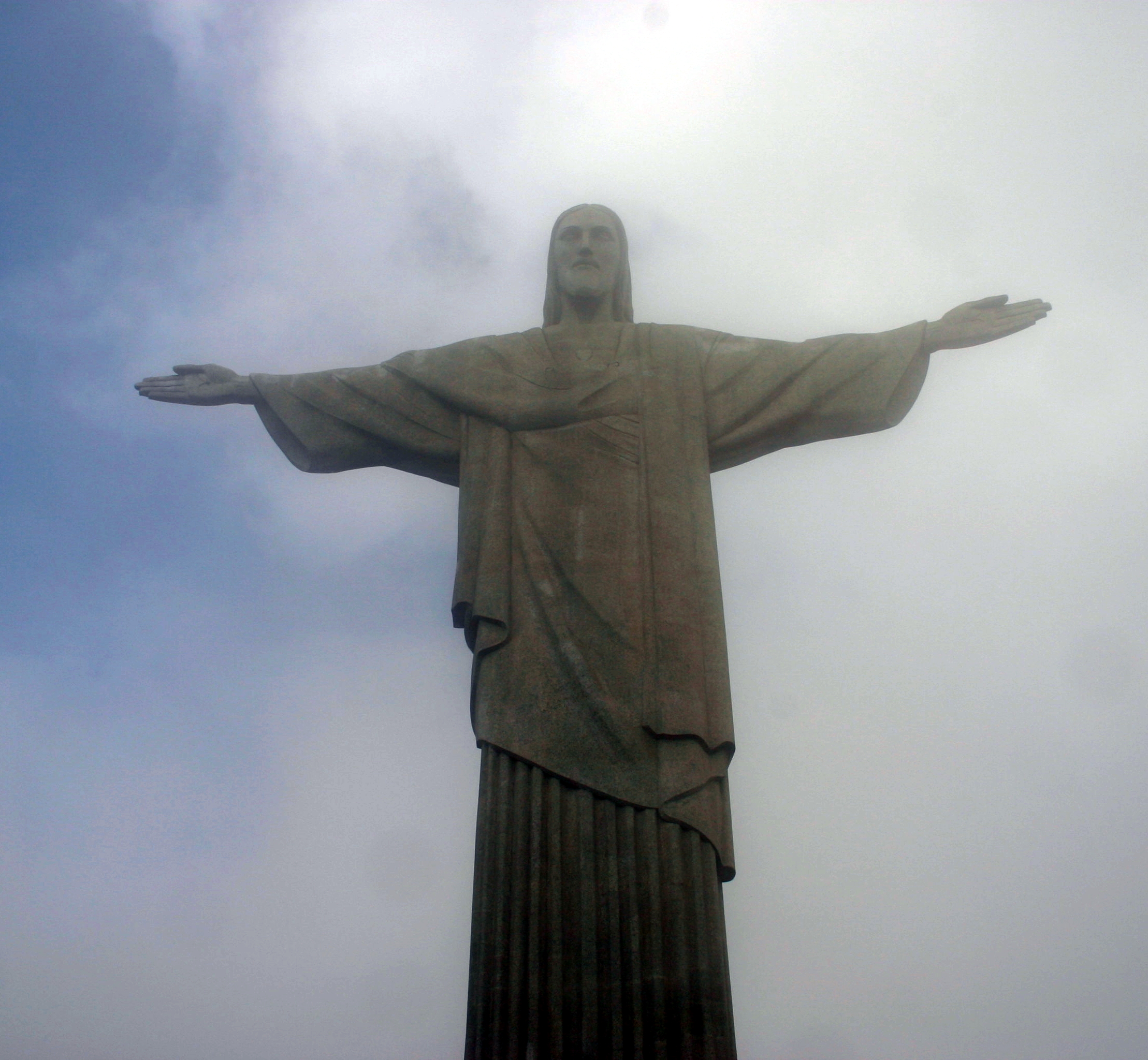
The Christ the Redeemer statue on Corcovado is larger than photographs suggest, which is not always the case with famous landmarks. It stands thirty metres high on a peak at 710 metres, the outstretched arms spanning twenty-eight metres, constructed between 1922 and 1931 from reinforced concrete and soapstone in a Brazilian Art Deco style that differs slightly from the European Art Deco of the same period in ways that are visible but difficult to describe without technical vocabulary. The view from the base, with the city spread in every direction and the bay beyond it and the Atlantic beyond that, is the one that appears on every piece of tourist material about Brazil, and it earns this ubiquity. The queue to reach it is considerable on any weekday morning and becomes something that requires patience rather than planning.

Share