Singapore: The City That Decided What It Wanted to Be

Southeast Asia Guide

Singapore: The City That Decided What It Wanted to Be

I discovered a city that had decided exactly what it wanted to be and built itself into something genuinely extraordinary.

4 min read

📍 Singapore

Share

Copied!
Tweet WhatsApp

“What I was not prepared for, arriving in Singapore, was how genuinely extraordinary it looks.”

Singapore in 1965 was a city-state that nobody wanted. When Lee Kuan Yew announced the separation from Malaysia on the ninth of August that year, he wept on television, which is the kind of moment that becomes more legible when you understand the context: Singapore had been part of Malaysia for two years following independence from Britain, and the federation’s expulsion of the island represented not a celebration of Singaporean autonomy but the failure of a political arrangement that Lee had believed was the country’s best chance of survival. Singapore had no natural resources, no hinterland, a population of fewer than two million people, and no obvious reason to be a viable independent state. Lee cried because the task ahead seemed, at that moment, very large and the tools available to do it seemed very small.

What happened in the decades that followed is one of the most studied instances of economic development in the twentieth century, cited by economists and political scientists and development theorists as either an example of what works or a cautionary tale about the conditions under which it works, depending on your starting assumptions. Singapore built itself into a financial and trading hub of global significance through a combination of strategic investment in infrastructure, an education system oriented toward technical and commercial capability, a legal system that prioritised contract enforcement and property rights with a rigour that attracted foreign investment, and a political system that restricted opposition, controlled the press, limited the right to protest, and maintained the People’s Action Party in power from independence to the present. Whether the economic outcome was the result of the political model or happened in spite of it, or whether the political model was necessary for the economic outcome and whether that necessity justifies the restrictions it imposed, are questions that Singapore’s own citizens continue to debate with more freedom than the country’s reputation for authoritarianism sometimes suggests, and with considerably less freedom than most Western democracies would regard as adequate.

2004

It was relaxed in 2004 to allow sugarless gum with a dental health certification to be sold through pharmacies, with the purchaser's ID recorded.
Singapore

The chewing gum ban, which is the fact that most Westerners know about Singapore and which functions as a proxy for the whole question of paternalistic governance, was introduced in 1992 primarily to address the problem of people sticking gum in the door mechanisms of the Mass Rapid Transit system, which was new and expensive and which the government did not want damaged. It was extended to a general import and sales ban. It was relaxed in 2004 to allow sugarless gum with a dental health certification to be sold through pharmacies, with the purchaser’s ID recorded. This is not a country making a small, eccentric decision. It is a country applying its operating principles consistently, and the operating principles are: we will make the environment work correctly, and we will use the instruments available to us to ensure that it does, and the instruments include legal prohibition of things that make the environment not work correctly. Whether those instruments are proportionate is the argument. The MRT is very clean. It runs on time. The pavements are not littered. The question of what was given up to achieve this is not abstract but it is also not simple.

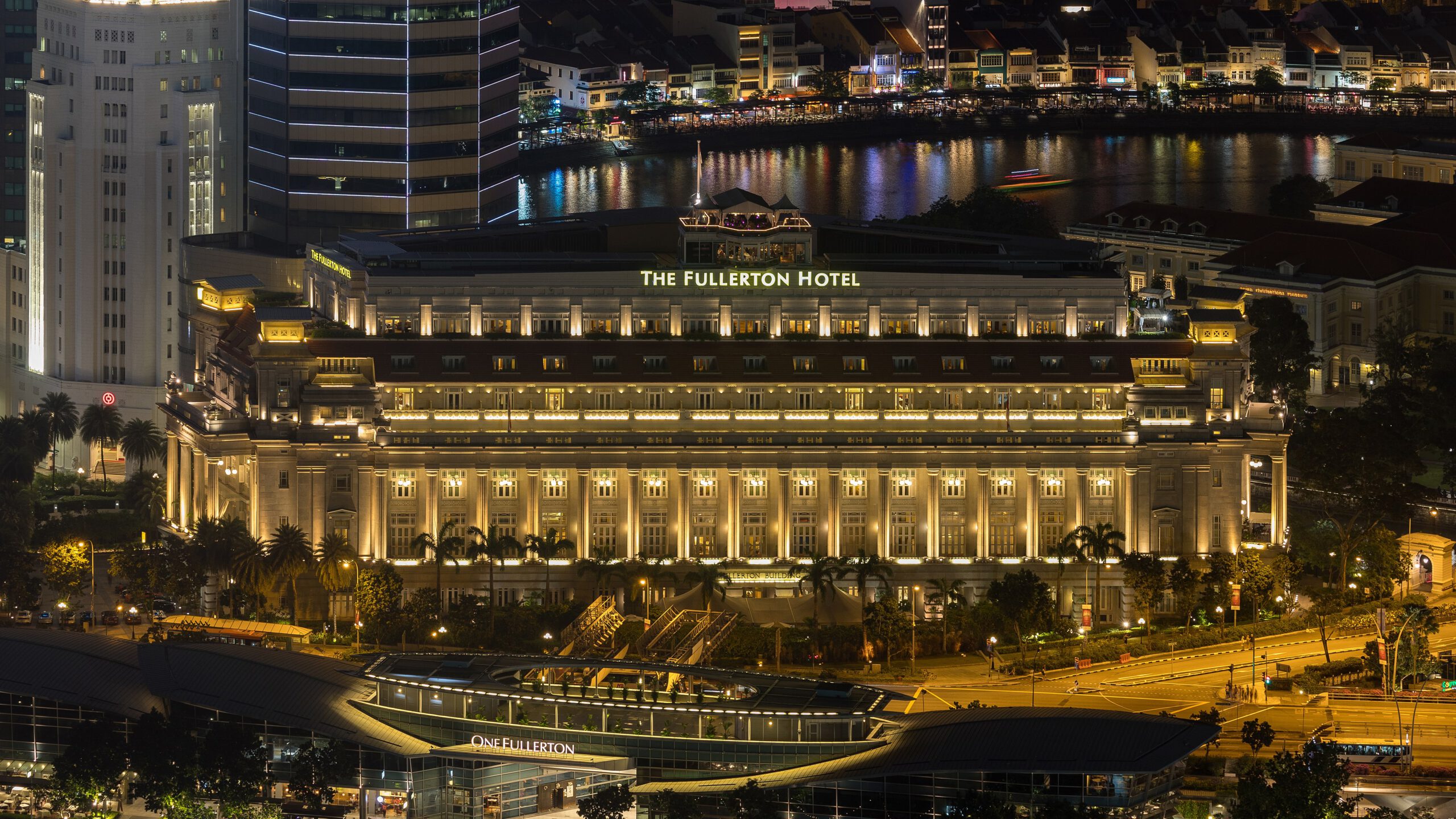
What I was not prepared for, arriving in Singapore, was how genuinely extraordinary it looks. The Marina Bay Sands hotel, three towers connected at the top by a cantilevered rooftop pool, the Gardens by the Bay with its Supertree structures reaching eighteen storeys above the park, the skyline visible from the water at night: the city has committed to a specific aesthetic vision and implemented it with the consistency you would expect from a government that has been implementing consistent visions since 1965. It looks like someone’s idea of what a city of the future should look like, which is because it is. Lee Kuan Yew had opinions about everything from tree-planting to public housing design, and Singapore is the accumulated expression of those opinions enacted at scale across fifty years. It is improbable. It is also real and rather magnificent.

Chilli crab from a seafood restaurant on the waterfront was specifically the best meal of the entire trip,
full stop, which I say with confidence having eaten well in approximately fifteen countries by that point.

I spent two days there on the Bangkok to Bali trip. The food in the hawker centres, where Singapore’s extraordinary ethnic diversity produces Chinese, Malay, Indian, and Peranakan food at prices that are, for a city of Singapore’s wealth level, remarkably accessible, was the best of the entire Southeast Asia leg of the trip. Chilli crab from a seafood restaurant on the waterfront was specifically the best meal of the entire trip, full stop, which I say with confidence having eaten well in approximately fifteen countries by that point. Singapore is expensive by regional standards and worth every dollar of it, which is not something I say lightly about anywhere.

2004

It was relaxed in 2004 to allow sugarless gum with a dental health certification to be sold through pharmacies, with the purchaser's ID recorded.

Trip Guide

Singapore

2-3 days

☀️

Best time to visit

November to January offers the most pleasant weather with lower humidity and minimal rainfall. Avoid the monsoon seasons in May-July and October-November for the best experience.

✈️

Getting there

Fly into Changi Airport, one of Asia's major aviation hubs with excellent connections from the UK and throughout Southeast Asia. The airport is well-connected to the city centre by MRT, taxi, or shuttle services. Singapore is ideally positioned as a stopover on longer Southeast Asia trips.

🏨

Where to stay

Stay in the Marina Bay area for iconic skyline views and proximity to major attractions, or in Chinatown for character and local dining experiences. Accommodation ranges from luxury hotels to well-appointed budget options throughout the city.

💰

Daily budget

Daily budget ranges from £80-200+ GBP depending on accommodation and dining choices, with Singapore being expensive by regional Southeast Asian standards.

Flights £400-700 return from UK
Stay £60-150 per night
Food £15-50 daily (hawker centres £5-10, restaurants £20-50+)
Activities £10-40 daily
Transport £3-8 daily
Estimated daily total £88-248

Good to know

  • The Mass Rapid Transit (MRT) system is exceptionally clean, efficient and affordable—use it for most of your transport needs
  • Visit hawker centres for the best food at accessible prices; the ethnic diversity produces outstanding Chinese, Malay, Indian and Peranakan cuisine
  • Chewing gum is banned for import and sale (with limited exceptions for dental gum in pharmacies), reflecting the government's strict environmental standards
  • Allow 2-3 days to experience both the futuristic architecture and the rich cultural neighbourhoods
  • Book restaurant reservations in advance for popular spots, particularly waterfront seafood establishments

Singapore is expensive by Southeast Asian standards but offers excellent value for money given its world-class infrastructure and exceptional food quality. Hawker centres provide outstanding meals at remarkably accessible prices for a city of Singapore's wealth level.

Estimates based on research at time of writing. Check current rates before booking.