Japan and Hong Kong: What the Photographs Don’t Show

Japan and Hong Kong: What the Photographs Don’t Show

4 min read

Share

Copied!
Tweet WhatsApp

“The density is extraordinary, the wealth visible but unevenly distributed, the mix of Cantonese and British colonial and mainland Chinese influence producing something that is not quite any of those things but contains all of them.”

Three weeks in Japan and Hong Kong, and I’m now sitting in the Philippines with the humidity at something that feels physically hostile and an electric fan pointed directly at my face, trying to work out what I actually saw.

The photographs are fine. They show temples and market stalls and the Hong Kong skyline and various meals that I ate with varying degrees of willingness. What they don’t show, and what I keep thinking about, is the quality of attention Japan requires. The country does not allow you to be casual. Everything there operates at a standard that makes carelessness feel like a moral failing: the trains arrive to the second, the pavements have braille guides running along them, the rubbish bins have been designed so that recyclables are correctly sorted by default. You arrive expecting to be impressed by the technology and the temples and you end up being quietly transformed by the bins.

1945

The old man at the peace park by the melted factory bells, standing there every day with the fresh flowers and the water bowls, telling...

Japan and Hong Kong: What the Photographs Don’t Show

The Tsukiji fish market at half past five in the morning, men in rubber boots moving through the aisles with the purposeful indifference of people who have been there since two a.m. and regard tourists as a minor inconvenience of geography. The pod hotel in Nagasaki where no one spoke English and the spa turned out to contain a primary school’s worth of small stools for sitting showers. The schoolchildren on the train near Kyoto who said “see you later” and fled the carriage in a controlled explosion of excitement. The old man at the peace park by the melted factory bells, standing there every day with the fresh flowers and the water bowls, telling anyone who would listen what happened to him on the ninth of August 1945.

Japan is not a country you can summarise. I spent two weeks there and came away with the strong conviction that I’d seen approximately three percent of it and understood somewhat less. The Shinkansen network alone, which connects the four main islands with trains running at three hundred kilometres per hour and arriving, according to the official records, an average of eighteen seconds late, suggests a country with ideas about how things should work that are not the ideas of anywhere else I’ve been.

These are the women who make the domestic life of the city's professional class function, and
on Sundays they remind the city of their existence by the simple act of being visible.

Hong Kong is different in kind, not just in character. Where Japan has a quality of settled self-sufficiency, as if it arrived at its particular version of society some time ago and refined it continuously since, Hong Kong has the feeling of a place that is always slightly mid-negotiation with itself. The density is extraordinary, the wealth visible but unevenly distributed, the mix of Cantonese and British colonial and mainland Chinese influence producing something that is not quite any of those things but contains all of them. I arrived expecting the Tokyo of the south, orderly and efficient, and found something louder and more contested and considerably more interesting than that description allows for.

On Sundays the Filipino domestic workers of Hong Kong gather on the streets and underpasses of the central district, thousands of women on their one day off, constructing a temporary version of community on the pavements because there is nowhere else to put it. It is both perfectly ordinary and quietly heartbreaking. These are the women who make the domestic life of the city’s professional class function, and on Sundays they remind the city of their existence by the simple act of being visible.

Japan and Hong Kong: What the Photographs Don’t Show

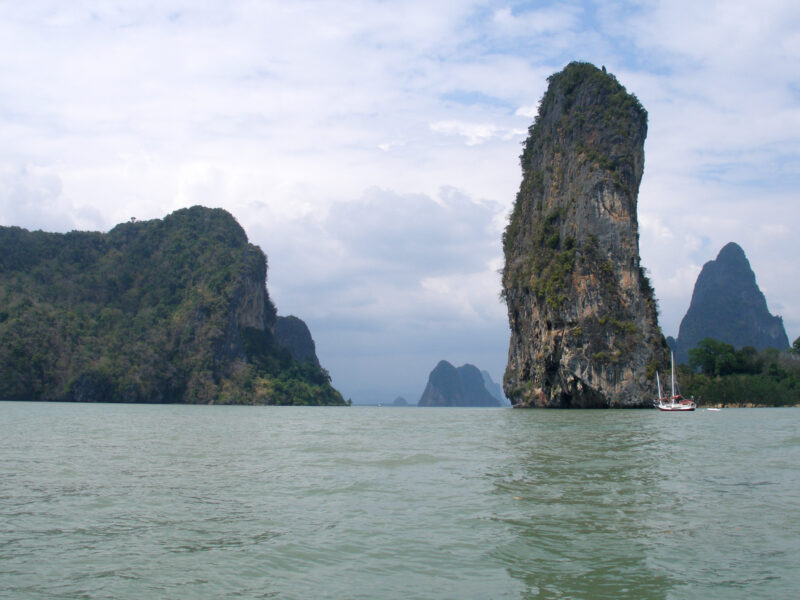
They show temples and market stalls and the Hong Kong skyline and various meals that I ate with varying degrees of willingness.

The photographs from Japan and Hong Kong are up now for anyone who wants to look through them. There are quite a few. Some are very good and some are the kind of thing that seemed like a good idea at the time and less so in daylight. The picture of me on a street sign in Hong Kong falls into the second category. I’m not entirely sure how it happened.

Now in Manila, already. More on that shortly.